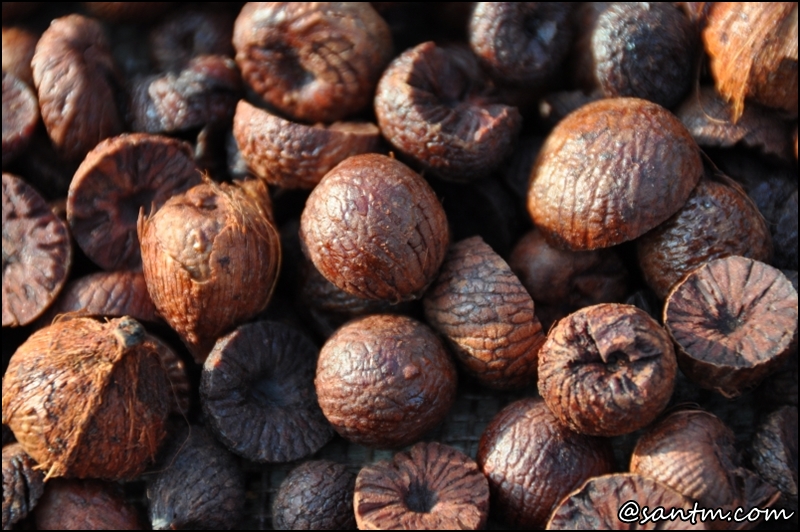
Betel nut, often identified as Areca nut, stands as the kernel of the Areca catechu tree and bears an crucial position in the culture and market of several Asian countries. The kernel is chewed for its exhilarating impact, especially when paired with paan leaf (a combination of betel leaves and lime paste) or chewing tobacco. This country, Indonesia, being one of the biggest manufacturers of Areca nuts, has developed into a significant stakeholder in the international distribution system for this commodity.
Throughout the Indonesian archipelago, masticating betel seed, called locally “sirih pinang,” holds a longstanding tradition. It commonly utilized in ceremonies, social gatherings, and medicinal practices. Within rural areas, particularly in the island of Sumatra, Kalimantan, and the island of Sulawesi, the practice of masticating betel seed continues to be deeply ingrained. The Areca has a symbolic and cultural role, commonly being used as a symbol of welcoming or featured in conventional events, such as weddings.
Financially, Areca nut farming supplies livelihoods for many smallholder farmers, especially in locations including the Aceh region, West Sumatra, and the northern region of Sulawesi. For these communities, Areca nut serves as a important economic product, increasing their financial means and occupying a key role in community economies.
Indonesia’s tropical humid weather, nutrient-dense soil, and wide coastal regions create the optimum setting for Areca trees to prosper. The agricultural practice follows basic steps and demands manual work, involving placing saplings, tending palm plantations, and harvesting the nuts after approximately five years. Following the harvest, the betel seeds are either dried, cooked, or aged, depending on the region’s tradition and the demand from the market.
Indonesia’s betel nut sector maintains a wide-ranging distribution network, comprising small-scale farmers, domestic dealers, bulk sellers, and international trading firms. In some cases, betel seeds can be sold in their fresh state, but more often, they undergo drying to ensure a greater longevity and to accommodate the demands of global customers.
The global demand for betel nut suppliers in Indonesia, specifically in places such as the country of India, the nation of Pakistan, the island of Taiwan, and different parts of Southeast Asia, has increased in recent times. betel seed is in high demand in those regions, where its consumption continues to be a cultural tradition, although there is the increasing recognition of its possible health hazards. India is the main purchaser of Indonesia’s betel nut. The Areca nuts are processed in various forms, for example whole Areca nuts, halved nuts, or as powder, according to the market requirements. The consumption of betel nut in paan production is widely practiced in the Indian subcontinent, and betel from Indonesia is often preferred for its premium quality and accessibility.
Taiwan is another expanding market for Indonesian Areca seeds, where the tradition of betel nut consumption is common, particularly among men in countryside. Taiwanese buyers prefer Areca nuts from Indonesia because of their lower prices when measured against local production. In spite of the lucrative potential of the Areca nut industry, Indonesian suppliers confront several hurdles in enhancing their market reach and improving their distribution networks.
Over the past few years, health studies have connected frequent use of betel nuts with cancers of the mouth and additional health concerns, triggering concerns about its safety. This has caused some places enforcing more stringent regulations or at times bans on the sale and use of betel nut products. For example, the Taiwanese government has rolled out steps to curb the consumption of betel nuts because of rising oral cancer cases. Indonesian manufacturers, consequently, confront the challenge of navigating these regulations while maintaining their export markets.
Though the Indonesian betel nut industry is extensive, it lacks uniform quality control measures and standardization processes. This can create uneven quality of products, which influences its international reputation. Certain suppliers have started implementing more rigorous selection, evaluating, and packaging standards to provide consistency, but the industry as a whole still has potential for advancement.
Like many agricultural commodities, growing betel nuts elicits concerns about deforestation and ecological damage. In certain areas, Areca plantations have expanded into previously tree-rich areas, leading to a reduction in species diversity and interruption of ecosystems. Tackling these sustainability issues is imperative for the sustained success of the market.
Indonesia as a nation is by no means the exclusive country cultivating Areca palm seed. Additional Southeast Asian countries, such as Thailand, Myanmar, and Sri Lanka, too have flourishing betel nut markets. Indonesian manufacturers must remain competitive by guaranteeing high-quality products, streamlined supply chains, and competitive pricing to retain their share of the global market.
Despite the obstacles, the outlook remains encouraging for the betel nut sector in Indonesia. The international market for Areca palm seed is expected to remain strong due to the strongly embedded cultural habits of customers in key markets. Provided that countries including the country of India and Taiwan persist to demand top-notch betel nuts, suppliers from Indonesia are well-positioned to address this requirement.
To ensure sustained growth, Indonesian betel nut suppliers are concentrating on revamping their operational methods, upgrading standards of quality, and investigating emerging markets. Some organizations are putting funds into technology and physical resources to simplify their operations and boost effectiveness. Additionally, there is a rising demand in natural and sustainably sourced products, which could create new opportunities for suppliers in Indonesia prepared to integrate sustainable practices.
Indonesia’s Areca nut sector is a major part to both the regional and global market. It offers means of living to multitudes of small-scale farmers and satisfies the appetite of international markets, particularly in India and the island of Taiwan. However, issues such as health risks, regulatory challenges, and rivalry in the market must be resolved for the industry to thrive in the long run. By emphasizing environmental sustainability, quality management, and innovation, suppliers of betel nuts in Indonesia can keep to play a essential role in the international supply chain.
 Luciano's Blog